There is a common thread running through the 2026 wine forecasts, from Elin McCoy's analysis on Bloomberg to the debate that followed in Italy: the market is not disappearing — it is fragmenting. And the fragments are not standing still.
A fragmenting market
The numbers tell of a transition, not a catastrophe. Global sales are slowing, but Gen Z has increased its wine consumption over the last year and millennials have overtaken boomers as the leading consumer group. The audience has not disappeared: it has changed. It drinks less and drinks differently — more whites, more bubbles, more informal occasions — and it meets wine where it never used to: in TV series, in sport, even next to take-away food.
Meanwhile the climate is redrawing the map. 2026 will be among the hottest years on record and viticulture is pushing towards cooler areas — vines are being planted even in Sweden. And no-low keeps growing: big groups are investing millions in dedicated facilities, while technology improves what ends up in the glass.
Then there is the figure that strikes us most: according to the Global Wine Tourism Report, 73% of wineries across 47 countries plan to expand their wine-tourism activity, which already accounts for roughly a quarter of revenue.
The experience is becoming a product.
Wine goes small: the year of mini formats
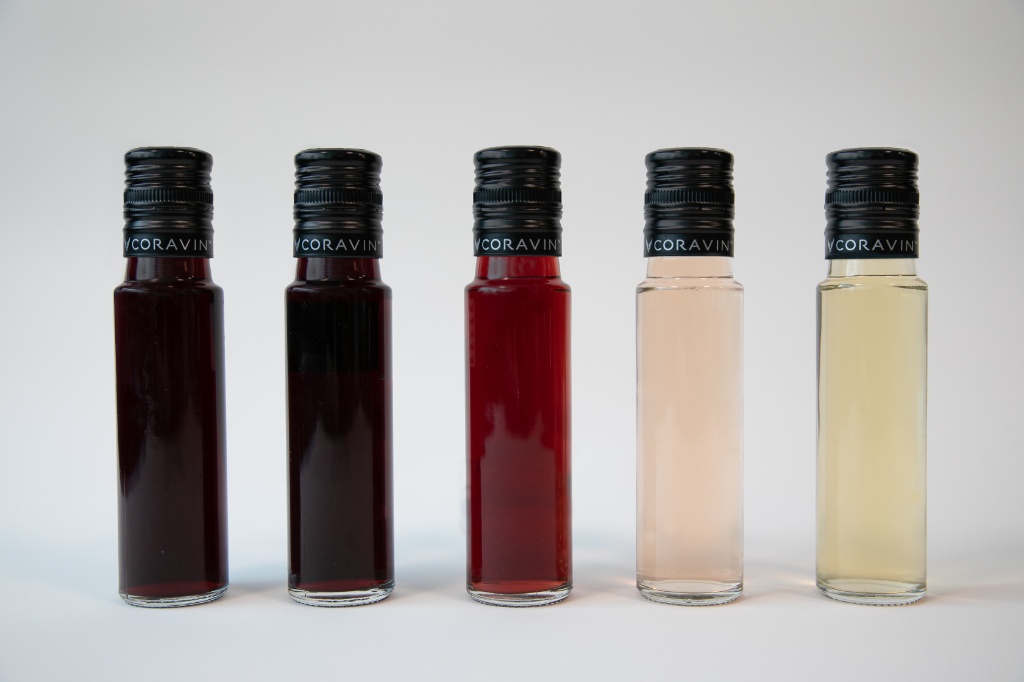
Then there is the trend that, for people in our line of work, is worth the whole analysis on its own: wine is going small. Bloomberg says it plainly: the new “mini” bottles will conquer the market. In the United States, where until 2025 wine could only be sold in a handful of set formats, thirteen new ones have just been authorised — almost all smaller than the classic bottle. And premium brands have already moved: Daou Vineyards offers its top red blends in a case of 100 ml bottles, the perfect glass in single-serve format.
One hundred millilitres. Exactly the format Somelì is built on — and it is no coincidence: it is confirmation the direction is right. What is a regulatory novelty for the American market is, here, already a complete supply chain: fractioning in an inert atmosphere, organoleptic integrity guaranteed for over 12 months, the winery's own branded label. The mini format stops being a curiosity and becomes a channel: to get tasted, to be remembered, to sell.
What this means for wine producers
Put together, these signals say one thing: demand is spreading across more markets, more formats and more occasions. And when demand fragments, every wrong bet weighs double. Shipping cases of bottles to sound out an importer in Seoul or a Scandinavian monopoly was costly when markets were few and stable; in 2026 it is a luxury few wineries can afford.
How much does it cost your winery to test a new market?
Calculate your savingsThe answer, as we see it at Somelì, is not to run faster: it is to travel lighter. That is why the 100 ml format exists — a perfect glass, sealed in an inert atmosphere, that stays identical for over 12 months:
- For export: one bottle becomes seven tasting experiences; a sampling campaign costs up to 85% less and every new market can be tested before you truly invest in it.
- For new drinkers: smaller, more curious occasions, without the commitment of a full bottle — the way Gen Z and millennials are approaching wine.
- For wine tourism: the experience lived at the winery becomes something to take home, and to buy again — the visit turns into a sales channel.
2026 will not ask wine to be different. It will ask producers to be more agile. And that is a race won by travelling light.
Sources: Elin McCoy, “Wine trends for 2026” — Bloomberg · “Come cambierà il vino nel 2026” — I Numeri del Vino.

Somelì is an Italian wine-tech company based in Milan, founded in 2024 by Filippo Verde and Sofia Gregorio. It turns one bottle of wine into seven 100 ml tasting experiences using Coravin Vinitas® technology, for which it holds the exclusive European licence.
About us →